
Weighed in the Balance: Rural Education Portrayals are Found Wanting
Ann Schulte, author and educator, believes we should stress what is positive about rural schools.
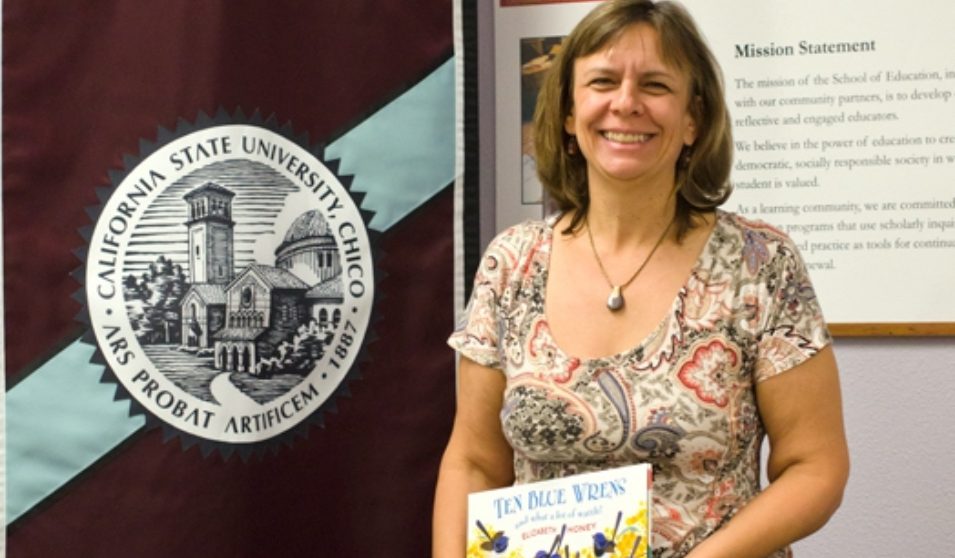
Ann Schulte, Ph.D., is an author, rural activist, and Professor of Education at California State University, Chico. <\/p>"
Seeking a More Balanced View of Rural
By Ann Schulte
As I open my email, I am pleased to see an article on rural education pop up in the educational smartbrief. I am drawn to the topic each time it is featured in online news items, which is not all that often, so I follow the link immediately to learn something about access to curriculum for rural schools. I read with interest and encounter the oft-cited statistics about how rural students suffer more poverty, achieve less, have fewer opportunities, and lack resources including qualified teachers. This particular article is about how small schools lack advanced curriculum, such as AP courses. On one hand, I’m thrilled to see the attention to rural students and the need for them to have access to competitive coursework, but I crave an opportunity to see something positive about what rural schools and teachers are providing for their students.
Almost every mainstream article about rural education (and far too many in the academic literature) begins with a litany of problems creating a bleak image of rural schools. It is as if this list of negatives is needed to justify the words on the paper. Why would we even be talking about rural schools if it weren’t to “salvage” them? (see Martin, 2015) In her article Rural, the other Neglected “R,” Azano (2014) asks the questions “Who authors these rural narratives? Do the stories in the public mind capture adequately the experiences of rural people and places? And if not, how do we offer counter-narratives that resist these pervasive and unreliable stories?” (p. 62).
As a response to deficit notions of rural, Azano advocates for more critical literacy grounded in PLACE (Poetry, Literature, Adolescent literature, Community, and Engagement). She argues for more attention in school classrooms and libraries to complex stories of rural life. She suggests activities to disrupt the negative and inaccurate stereotypes of country, but she warns that, “we also must not adopt wholesale Pollyanna views of rural places” (p. 62).
It seems to me that it would be easy to balance an article about providing rural schools with online upper division physics courses (taught undoubtedly by teachers in a city) with a reference to the potential for the application of the concepts, for example, in the physics (or chemistry, or economics) of farming. A convenient reference for any author to make about the strengths of small and rural schools is the often tight-knit communities that provide support for a holistic approach to educating children. This attention to balance in a text would only require the author to see rural communities as complex places that have something to offer in responding to some of what they lack.
References
Azano, A. P. (2014). Rural: The other neglected “R”: Making space for place in school libraries. Knowledge Quest, 43(1), 60-65.
Martin, R. (2015, January 5). Salvaging education in rural America. The Atlantic. Accessed at http://www.theatlantic.com/education/archive/2016/01/americas-rural-schools/422586/
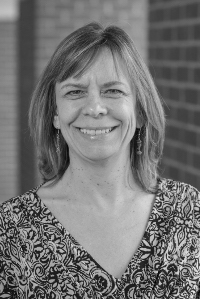
Ann Schulte is the author of Self-studies in Rural Teacher Education and Seeking Integrity in Teacher Education: Transforming My Student Teachers, Transforming My Self . Ann has been a leading faculty member in the Rural Teacher Residency (RTR) at Chico State and teaches courses that focus on issues of rurality. We are most pleased that Ann is a Rural Schools Collaborative advocate.
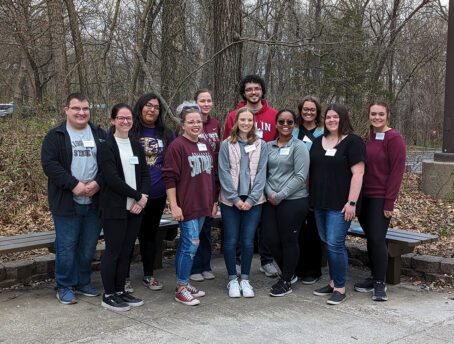
Ozarks Teacher Corps: Rural Place-based Learning in Missouri
April 15, 2024
We joined Teton Science Schools, Community Foundation of the Ozarks, and several RSC Grants in Place veteran teachers at a collaborative, rural teacher corps training in the Missouri Ozarks Hub. The future is bright for these aspiring rural educators!
Regional Hubs, Power of Partnerships, Missouri Ozarks, Place-Based Education, Rural Teacher Corps
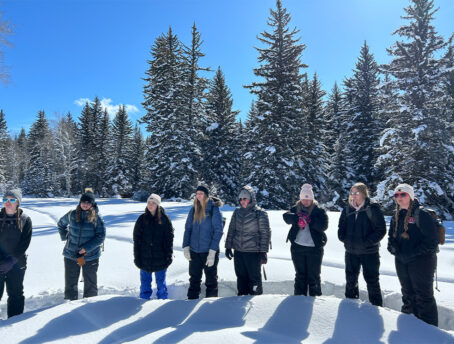
TARTANS Take to Training in the Tetons
April 8, 2024
A unique trip brought together two RSC hub partners for intentional learning, memorable experiences, and crucial relationship building in the beautiful snow-covered Teton Mountains.
Regional Hubs, Power of Partnerships, Illinois, Northern Rockies, Place-Based Education, Rural Teacher Corps, Gratitude

Sophia Elswick - Toulon, IL
March 28, 2024
A music teacher at Stark County High School in rural Illinois, shares her story about finding community and herself while teaching in rural communities.