Grants In Place
Since 2015 the Rural Schools Collaborative and its Grants in Place partners have awarded over $700,000 in place-based education grants to innovative rural teacher leaders.
Rural Schools Collaborative's Grants in Place program consists of two primary components: RSC's Grants in Place Fellows program, which was reorganized in 2019, and the National Signature Project Award in collaboration with the National Rural Education Association. The Fellows program is limited to teachers who teach in public schools that are located in the geographic regions of RSC's Regional Hubs, and the National Signature Project Award is open to any rural public school teacher in the United States of America.
The Grants in Place Fellows program:
The Grants in Place Fellows program is offered in conjunction with our Regional Hub partners. Each year, The Fellows Program awards innovative rural teachers to carry out a place-based education project.
Teachers currently working in a rural school district, within Rural Schools Collaborative's Regional Hubs, will be eligible for this grant opportunity. We strongly encourage teachers who come from under-represented backgrounds to apply.
Each Fellow will receive a total award of up to $2,500 to carry out a place-based education project over the current school year. In addition to the project award, each Fellow will also be gifted a $500 honorarium after their participation in the Celebration of Learning, a virtual webinar. The honorarium is given for their dedication to their students and community.
The Fellows Celebration of Learning is a required aspect of the program, and will be held virtually for each Fellows' class. All are welcome to attend!
To qualify for the The Fellows Program, teachers currently working in a rural school district will be considered for this grant opportunity. Rural areas fall under one of six categories of the National Center for Educational Statistics classification (you can confirm that your school is eligible by checking your Locale Number to match 31, 32, 33, 41, 42, or 43).
We invite you to explore the archive of Grants in Place projects:
Check out the stories from this annual, virtual event that bookends the Grants in Place Fellows! These final presentations celebrate the teacher-leaders after completing their place based education projects during the school year, and offer a chance for our Regional Hub Partners, school leaders, and the broader community to get inspired and learn from one another.
We invite you to explore the archive of Celebration of Learning event:
The National Signature Project Award:
The National Rural Education Association (NREA) and Rural Schools Collaborative (RSC) are proud partners of the National Signature Project Award. Each year NREA and RSC provide up to a $2,500 grant to an outstanding and innovative classroom project that exemplifies the very best in place-based education and is open to any rural classroom teacher in the United States. We strongly encourage teachers who come from under-represented backgrounds to apply.
Due to the vast amount of incredible place-based education project proposals received over years past, the NREA and RSC have proudly expanded the program, and plan to award two additional rural teachers with up to $1,500 each toward their individual place-based education projects as National Signature Project Award runner-ups.
In addition to the awarded funds, the NREA and RSC will compensate all of the awardees' travel and registration fees for their attendance to National Forum to Advance Rural Education in the fall of that respective year.
To qualify for the National Signature Project award, teachers currently working in a rural school district will be considered for this grant opportunity. Rural areas fall under one of six categories of the National Center for Educational Statistics classification (you can confirm that your school is eligible by checking your Locale Number to match 31, 32, 33, 41, 42, or 43).
We invite you to explore the archive of National Signature Project Award projects:
The Grants in Place Program was first announced by Rural Schools Collaborative in April of 2015. The program’s mission is to award classroom grants to rural teachers interested in carrying out an innovative place-based education project with their students and communities. Place-based education is an essential approach for rural classrooms, as the model purposefully connects learning and communities to increase student engagement, academic outcomes, and community impact. The Grants in Place program awards rural teachers across the country who are practicing place-based education in their classrooms.
Since 2015 the Rural Schools Collaborative and its Grants in Place partners have awarded over $500,000 in place-based education grants to innovative rural teacher leaders. Learn more about the history of the Grants in Place Program.
1. When can I apply?
- The Fellows application is open annually from mid-August to mid-September. The National Signature Project Award accepts applications annually from March through April.
2. Am I Eligible to apply?
- If you have previously been a National Signature Project Award winner, you are not eligible to apply for the National Signature Project Award again.
- If you are a current Grants in Place Fellow you are not eligible to apply for the National Signature Project Award (e.g. currently a 2023-24 GIP Fellow, you are not eligible for 2024-25 NSPA grant cycle, but you are eligible for the 2025-26 NSPA grant cycle).
- If you have previously been a Grants in Place Fellow, you are eligible to apply again, as long as you were not awarded the GIP Fellows grant in the previous grant cycle (e.g. currently a 2023-24 GIP Fellow, you are not eligible for the 2024-25 grant cycle, but you are eligible for the 2025-26 GIP Fellows grant cycle).
- If you have previously been a National Signature Project Award recipient, you are eligible to be a GIP Fellow, but not in the same grant cycle (e.g. currently a 2023-24 NSPA recipient, you are not eligible for 2024-25 GIP Fellows grant, but you are eligible for the 2025-26 GIP Fellows grant cycle).
- Anyone from the same school as a current or previous grant recipient is eligible to apply to be awarded in the same grant cycle as their coworker (e.g. your coworker is currently a 2023-24 GIP Fellow or NSPA recipient, you are eligible to apply in the 2024-25 grant cycle).
- The Fellows program is open to any rural educators within our Regional Hubs. The National Signature Project Award is open to any rural educators in the US. Both programs require applicants to be located in the National Center for Educational Statistics (NCES) classification codes 31, 32, 33, 41, 42 or 43. Confirm your school's eligibility by visiting NCES's interactive map.
3. What is place-based education?
- Our partners at Teton Science School describe place-based education best: "Place-based education is an approach that connects learners and communities to increase student engagement, boost learning outcomes, impact communities and promote understanding of the world around us." We invite you to check out past Fellow projects for inspiration.
4. When will applicants be notified of a final award decision?
- The respective grant selection committees meet once the grant applications close. The Fellows cohort is announced each December, and the National Signature Project Award recipients are announced annually, in May.
In Partnership with NREA
Meet Our 2023-24 National Signature Project Award Recipients
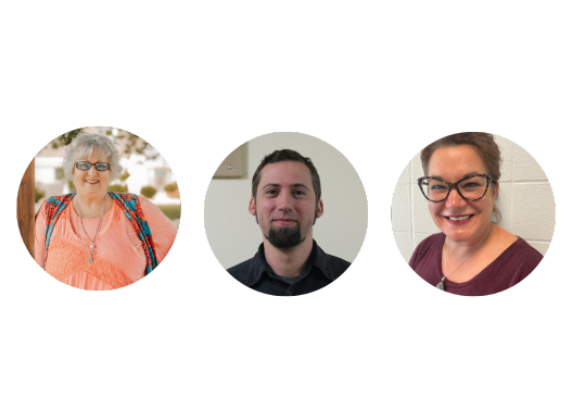
Rural Schools Collaborative and the National Rural Education Association are proud to announce Kim McCully-Mobley of Aurora, Missouri, as the 2023-24 National Signature Project Award recipient for her place-based project, "All Roads Lead Home Veterans Honor Garden."
RSC and NREA are also proud to announced our runner-ups for the 2023-24 National Signature Project Award! Our NSPA runner-ups are Will Miller, of Charlemont, Massachusetts, and Carrie Guillaume, of Leopold, Indiana. Will Miller will be leading his place-based education project, "Developing a Sustainable Maple Syrup Production System" and Carrie's awarded project is, "Feeding our Community."
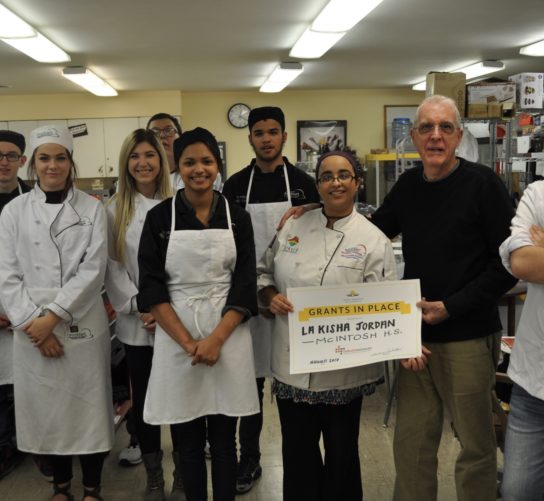
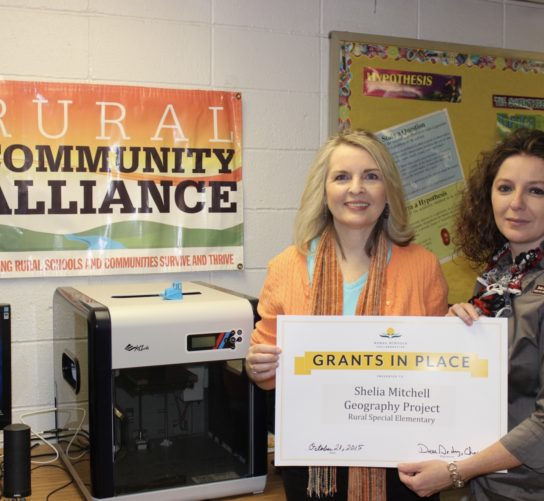
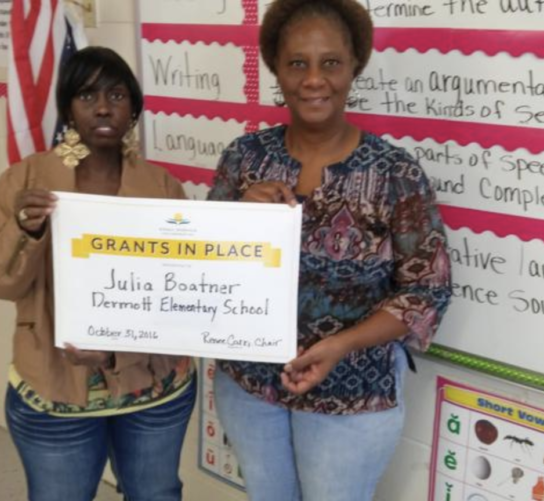
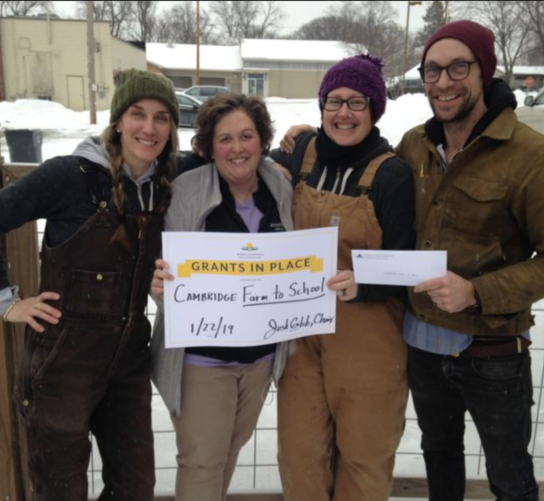
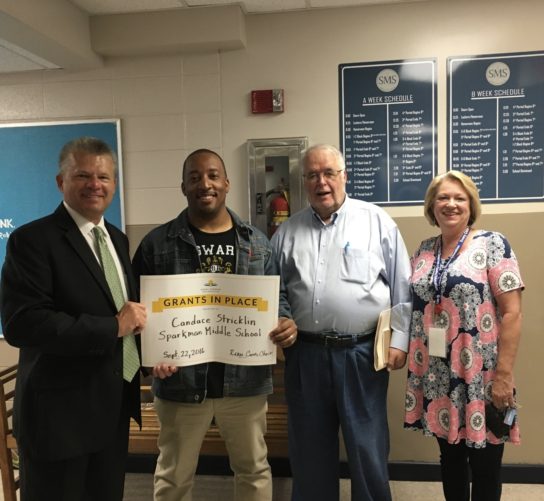
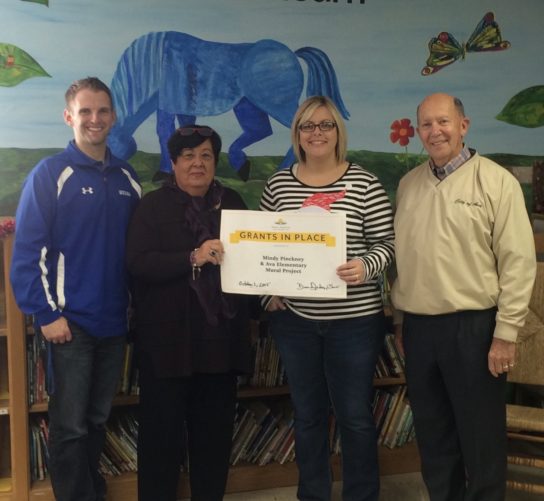
Snapshots of our past Grants in Place recipients: