
The University of West Alabama is Recognized as a National Leader in Race and Equity
Black Students at Public Colleges and Universities: A 50 State Report Card
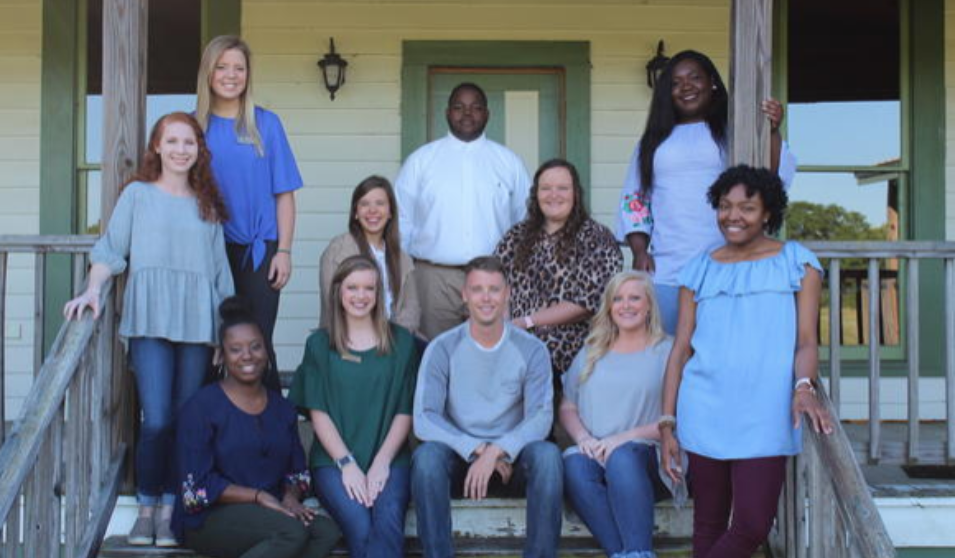
The University of West Alabama's Black Belt Teacher Corps is an excellent example of what UWA's President Ken Tucker describes as a "commitment to both student success and diversity.
Congratulations to The University of West Alabama, our Alabama Southeastern Regional Hub anchor, and home to so much innovative work in the field of rural education. We are proud to work with an institution leading the way in an issue of such national significance.
The following news feature was released by The University of West Alabama.
The University of West Alabama has been recognized with high marks in a national review conducted by University of Southern California’s Race and Equity Center. The study included 506 public, non-specialty four-year colleges and universities across the nation with a focus on the opportunities provided for minority students to be successful in higher education.
Of the 506 institutions reviewed, UWA was one of only 17 nationwide that scored 3.25 or higher on the equity index, based on a scale of 4.0, and only three of those scored 3.5. The ranking places UWA at the top of the list for Alabama schools included, with the next highest Alabama school earning an equity index of 2.5, and the lowest Alabama school earning a 1.25 equity index.
The study’s scoring system was based on four factors, including enrollment, completion rate, gender equity, and the ratio of minority faculty to minority students at the University.
“Our University is pleased to be recognized for our commitment to both student success and diversity,” said UWA President Ken Tucker. “We are committed to providing a high-quality educational experience to our students, and we take great pride in ensuring that every student who steps on our campus has opportunities to thrive in the classroom and all the other aspects of student life.”
Tucker said that the University’s student population has a plurality of first-generation college students and that UWA is diligent in its efforts to provide the tools and education necessary for all students to succeed no matter the student’s socio-economic background or any other perceived disadvantages.
“UWA is uniquely positioned to provide opportunity to Alabama’s Black Belt region, which has typically been one of the more underserved areas of the state,” Tucker said. “We believe that we offer quite a bit more guidance and attention to our students than larger universities may be able to provide, as our student-to-faculty ratio is lower, but also because we place a strong emphasis on striving to fully understand our students, their backgrounds, their needs, and ultimately, their best paths to success.”
Tucker emphasized the University’s culture of service and the atmosphere that it creates for students, particularly those who make campus their home for their college years.
“We strive also for a culture of support and inclusivity, led by conscientious faculty and staff who are prepared to help students identify their greatest strengths and goals, then match those with purpose-filled service and career opportunities that will set each individual on a path to success,” Tucker said.
As a whole, the state of Alabama is positioned in the middle of the scale of all 50 states, with a 1.95 score.
“UWA has a unique place in Alabama’s higher education landscape, and we want the educational experience we offer to adequately serve our region,” Tucker said. “We know that the college experience is not the same for every student and that the same guidance, tools, and instruction do not apply in a broad stroke, but rather with highly-tailored, carefully-planned programs for learning and growing. We believe our score on this study is a good representation of the individualized care, service, and commitment we have for all of our students.”
We invite you to learn more about UWA's Black Belt Teacher Corps and our organizational commitment to the recruitment, preparation, placement, and retention of rural teachers.
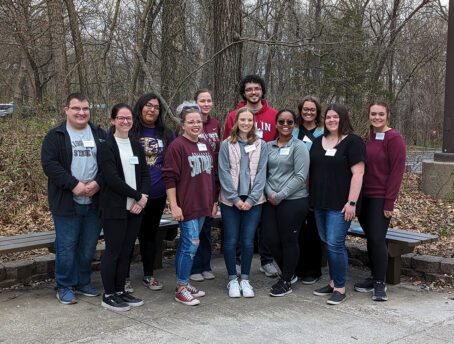
Ozarks Teacher Corps: Rural Place-based Learning in Missouri
April 15, 2024
We joined Teton Science Schools, Community Foundation of the Ozarks, and several RSC Grants in Place veteran teachers at a collaborative, rural teacher corps training in the Missouri Ozarks Hub. The future is bright for these aspiring rural educators!
Regional Hubs, Power of Partnerships, Missouri Ozarks, Place-Based Education, Rural Teacher Corps
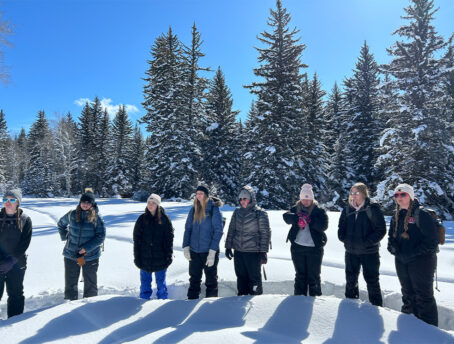
TARTANS Take to Training in the Tetons
April 8, 2024
A unique trip brought together two RSC hub partners for intentional learning, memorable experiences, and crucial relationship building in the beautiful snow-covered Teton Mountains.
Regional Hubs, Power of Partnerships, Illinois, Northern Rockies, Place-Based Education, Rural Teacher Corps, Gratitude

Sophia Elswick - Toulon, IL
March 28, 2024
A music teacher at Stark County High School in rural Illinois, shares her story about finding community and herself while teaching in rural communities.